| | Feb. 20, 2018 | | WHAT TO KNOW NOW | | |    | | | | I was still young and finishing up my graduate work when I received an offer to intern at a development bank that was a part of a prestigious junior professionals program. I was really excited — it was my first time working for a multilateral donor and I would be part of a program that helped fledgling young professionals launch illustrious careers in international development.
I arrived on my first day, nervous, like anyone would be, and my supervisor seemed very distant. He told me he was busy, and I assumed it was a bad day. I was wrong. | | | | | | | | | | | I would work on projects by myself with no direction or supervision, and the "busy" continued for six or seven months. Then, all of sudden the supervisor became very interested in me. He would use the organization's internal messaging system to chat with me. Initially I thought he was interested in how my work as going, with instant messages such as, "Hi, how are you doing?" To be honest, I was happy to get his messages after the way he had treated me before. I thought that perhaps my hard work had paid off, and I could earn a reference, so I kept chatting with him.
It was small talk at first, until it became incredibly awkward. He started asking me what I was wearing and if I liked giving men hugs. I had never encountered this type of behavior before and his attention did not let up. The stressful interactions and messages started to affect my ability to work.
I was so distressed that I eventually left what was supposed to be a two-year internship well before the end. Initially, I was unable to talk about the experience and even telling the story now has been difficult. The hole on my resume felt shameful — because I didn't power through and complete the program. I was able to go on to have a great career since — even returning to that same development bank a few years later working on a different team, but it doesn't make up for that initial experience.
This story — shared anonymously as part of our Women Working in Global Development Campaign in partnership with Quantum Impact — is unfortunately all too familiar for many women in international development and beyond. Workplace sexual misconduct in global development is much more common than we think, including intimidation and harassment by a co-worker or supervisor, which can result in discomfort and work disruption, possibly leading to a transfer or quitting altogether.
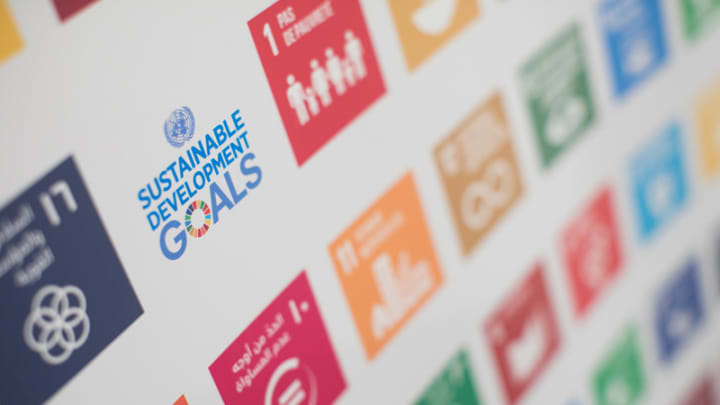
Here's Quantum Impact's take on how to combat sexual harassment in an organization and how leaders can make the workplace a safer place for staff. | | | | | | | | | | | | | | QUOTABLE | "When the very purpose of our work is to improve the world, fight injustice, empower girls and women, and end poverty in all its forms, it is of course expected that we live by the same norms and principles within our organizations and in relation to partners." — OECD Committee Chair Charlotte Petri Gornitzka. Read her op-ed and catch up on Devex's latest coverage of the Oxfam scandal here. | | | | | | | | | | | | | | | | | | | | | SPOTLIGHT ON | | | | | | By Catherine Cheney | | | | | | | | | | | | | | | Photo by: Ciaran McCrickard / World Economic Forum / CC BY-NC-SA | The SDGs cannot be reached without the involvement of community foundations, according to "Local Leadership, Global Impact," a recent report from the Council on Foundations. The report evaluates how the more than 1,800 community foundations operating around the world can connect their local work to this global agenda, highlighting what is working, and outlining 10 steps for how community foundations who aren't already focusing on the SDGs can get started. Between their convening power and their missions to solve problems and improve lives at the local level, community foundations are ideal but perhaps overlooked and undervalued partners to achieve the SDGs, the report said. | | | | | | | | | | | | | | | SPONSORED ANNOUNCEMENT | | | March 12-16 in Nairobi, Kenya Join us this March for Humentum Week: Nairobi, with more chances to advance professional development, network with peers, and discuss common challenges and best practices. There will be a variety of topics to pursue, from financial management to compliance to negotiation skills and beyond. For the first time ever, we are also offering bundle pricing that allows you to save on the full week of workshops! Choose up to three and pay a flat rate of $2,000. Learn more about Nairobi week. | | | | | | | | | THE WEEK AHEAD | | | | | | | By Devex Editor | | | | | | | | | | | | | | This week, tune in to Devex's webinar for global development practitioners for practical guidance on collecting, analyzing, and communicating gender data. Check out our preview for more events happening this week. | | | | | | | | | | | | Feb. 21, 10 a.m. EST
Online
Devex will bring together a panel of thought leaders and implementers from the Gates Foundation, UN Women, and Equal Measures 2030 to chart a path forward — and give practical guidance on collecting, analyzing, and communicating about gender data. This one-hour webinar will cover: the barriers to collecting gender data and how to overcome them; practical guidance for collecting and analyzing gender data; tips for integrating gender-disaggregated measurements across your organization's monitoring & evaluation; and how to communicate your findings and use them for advocacy purposes. | | | | | | | | | | Feb. 20-23. New Delhi, India | | | | | | | | | | Feb. 22, 9.30 a.m. EST
Online | | | | | | | | | | Feb. 26 - March 1. Barcelona, Spain | | | | | | | | | | Feb. 27-28. Nairobi, Kenya | | | | | | | |











0 comments:
Post a Comment